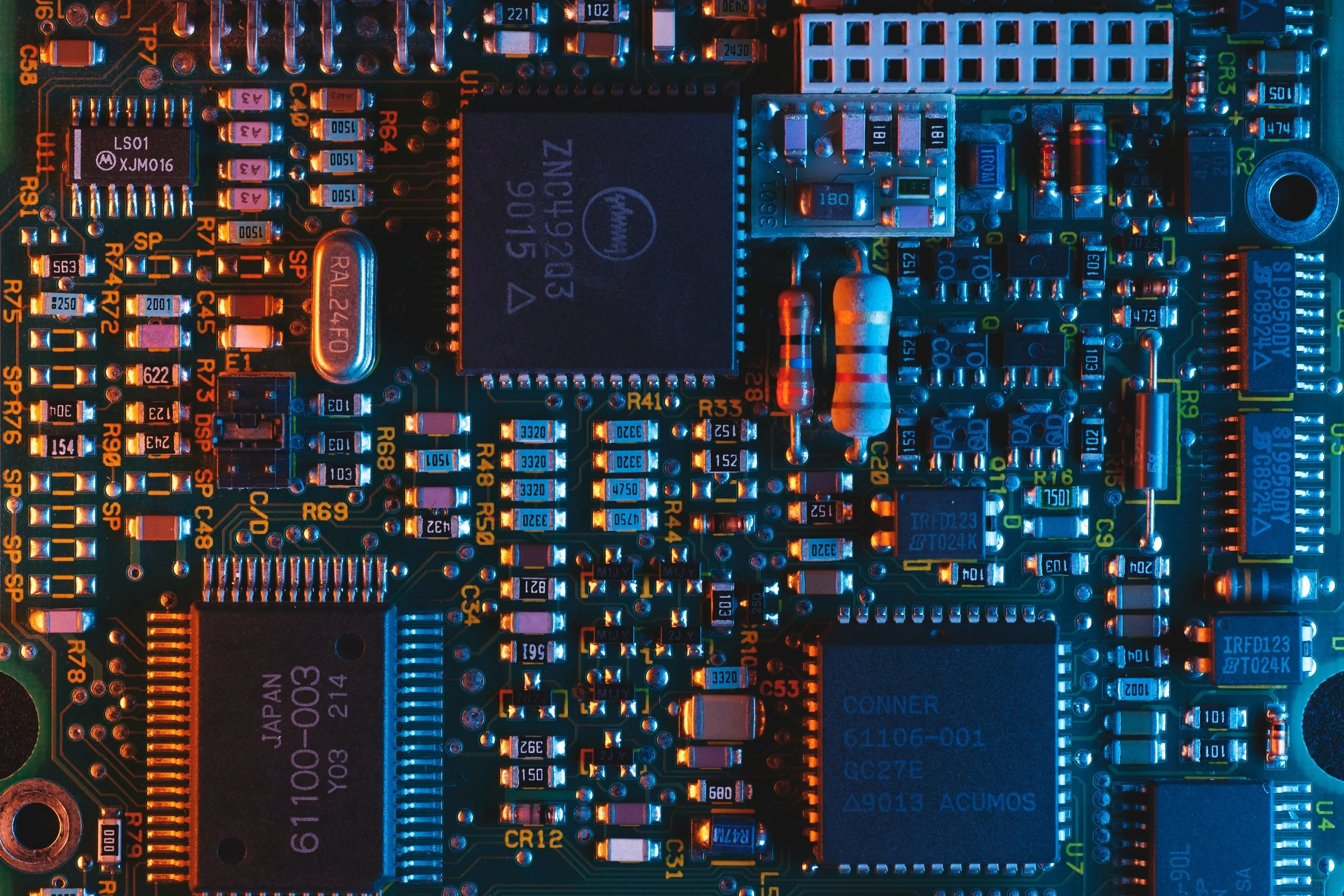
Surface Mount Technology (SMT) is the cornerstone of modern PCB assembly. This innovative process has revolutionised the way we manufacture electronic products, providing high precision, speed, and cost-effectiveness. In this blog post, we’ll take you through each stage of the SMT assembly process, from stencil printing to testing, to explain what happens during production and how it ensures that your products are made to the highest standards of quality and reliability.
1. Stencil Printing: Laying the Foundation
The first step in the SMT assembly process is stencil printing. This stage involves applying solder paste onto the PCB's copper pads. The stencil, which has holes corresponding to the pad layout, ensures that the paste is applied precisely to each pad. This is critical, as the solder paste forms the base for the surface mount PCB components.
Key Considerations:
Solder Paste Consistency: Proper consistency of solder paste is crucial to avoid misalignment or insufficient bonding.
Type of Solder Paste: Different types of solder paste (e.g., leaded or lead-free) are used depending on the components being placed.
2. Component Placement: Picking the Right Parts
Once the solder paste is applied, the next step is placing the components onto the PCB. This is done using a pick-and-place machine, which places the surface mount components with high accuracy. At this stage, surface mount devices (SMDs), such as resistors, capacitors, and microchips, are carefully positioned on the PCB pads.
Key Considerations:
Pick-and-Place Accuracy: The precision of component placement directly affects the quality of the final product.
Component Size and Orientation: Components must be oriented correctly to ensure the pads are aligned properly during soldering.
3. Soldering: Fusing Components to the Board
Soldering is the heart of the SMT process. After the components are placed, the PCB moves into the reflow oven. Here, the solder paste is melted, bonding the components securely to the board. This process is carefully controlled to prevent issues like tombstoning or component lifting.
Key Considerations:
Reflow Oven Settings: Proper temperature profiles are essential for even heating. A gradual temperature ramp ensures that the entire PCB is heated uniformly, preventing issues like cold solder joints or delamination.
Solder Type: The choice of solder, such as leaded or lead-free, will depend on the specific requirements of the final product.
4. Inspection: Ensuring Quality Control
Once the soldering process is complete, the PCB is thoroughly inspected. Automated Optical Inspection (AOI) systems are typically used to detect common defects such as misalignment, solder bridges, and tombstoning. This stage is crucial to ensure that the components are correctly placed and soldered.
Key Considerations:
AOI Systems: These systems detect defects early, allowing for adjustments before defects propagate.
Manual Inspection: For more intricate boards or critical components, manual inspection might also be performed.
5. Testing: Verifying Functionality
After inspection, the final stage is testing. This step ensures that the surface mount PCB components are functioning correctly. Electrical testing, including in-circuit testing (ICT) or functional testing, checks for any faults or inconsistencies in the electrical connections.
Key Considerations:
ICT Testing: This ensures that all the connections on the PCB are properly formed.
Functional Testing: Verifies that the PCB performs as intended in real-world conditions.
Common Challenges in the SMT Process
While the SMT process offers numerous benefits, it can also present some challenges that affect the quality of the finished product. Common issues include:
Misalignment: Incorrect placement of components due to poor calibration of pick-and-place machines.
Tombstoning: This happens when a component lifts off the PCB during the reflow process, typically caused by uneven heating.
Solder Bridges: Excessive solder that creates a short circuit between adjacent pads.
Preventative Tips:
Regularly calibrate your pick-and-place machines.
Use precise solder paste application techniques to avoid excessive paste and uneven soldering.
Optimize your reflow profiles to ensure even heating and prevent issues like tombstoning.
Why Choose First Choice Assembly for Your SMT Needs?
At First Choice Assembly, we specialise in high-quality, reliable SMT PCB assembly and manufacturing. With over 30 years of experience, our expertise spans across various industries, from automotive to medical devices. Our team ensures that each stage of the SMT assembly process is executed with precision and care, offering solutions that are both cost-effective and high-performance.
If you’re looking for a trusted partner in PCB assembly, First Choice Assembly is here to support your needs, from design and component sourcing to prototyping, assembly, and testing.