
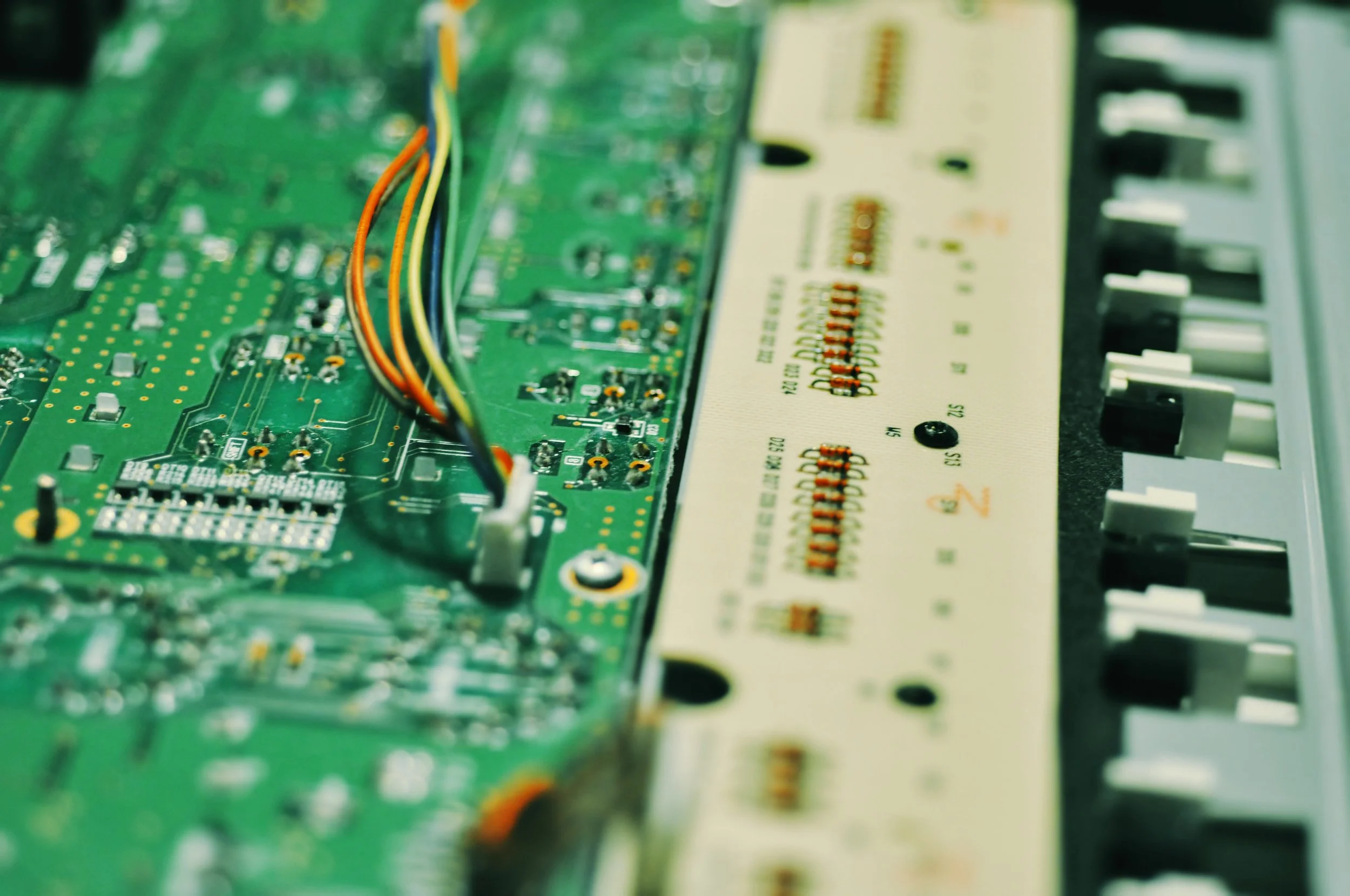
Surface Mount Technology (SMT) is the cornerstone of modern PCB (Printed Circuit Board) assembly. It allows for the attachment of surface mount devices (SMDs) directly onto the PCB board’s surface, offering faster, more efficient, and cost-effective solutions for manufacturers. With surface mount PCB components, electronics have become smaller, lighter, and more reliable. In this guide, we will explore the benefits of surface mount technology, how it works, and why it is essential in PCB manufacturing and assembly.
What is Surface Mount Technology?
Surface Mount Technology (SMT) refers to a method of assembling PCB circuit boards by mounting surface mount devices (SMDs) directly onto the board’s surface, rather than using through-holes. This technology is the most widely used in PCB assembly, enabling the creation of smaller, more compact electronic devices.
Unlike through-hole components, which require holes to be drilled through the PCB board to accommodate the component’s leads, SMT components are mounted on the board’s surface, creating a flatter, more efficient design. This enables higher component density, making it ideal for modern electronics like smartphones, laptops, and other compact devices.
How SMT Improves PCB Assembly Efficiency
Increased Automation: The use of automated pick-and-place machines in SMT assembly ensures high-speed and high-precision placement of SMT components. This reduces the need for manual intervention and speeds up production times, helping businesses meet tight deadlines.
Space Efficiency: Surface mount boards are much smaller than those using through-hole technology. SMT allows for a higher density of components, making it perfect for compact designs in products like smartphones, wearables, and medical devices.
Cost Savings: SMT reduces material costs and manufacturing time. The smaller surface mount PCB components lead to fewer raw materials used in PCB fabrication and reduced drilling and soldering time. This contributes to lower production costs.
Durability and Reliability: Because SMT components are securely attached to the PCB board surface, they are less susceptible to damage from mechanical stresses, improving overall durability and reliability.
Higher Performance: The shorter leads on surface mount devices help reduce the electrical resistance and inductance, improving performance in sensitive electronic systems.
The Key Steps in SMT PCB Assembly
Solder Paste Application: First, solder paste is applied to the PCB board. The paste is a combination of flux and solder powder, which is carefully placed on the pads where SMT components will be positioned. This step is crucial for the quality of the soldering process.
Component Placement: Using pick-and-place machines, the surface mount devices are precisely placed onto the PCB. These machines are highly accurate, placing components on PCB assembly boards at a much faster rate than manual assembly.
Reflow Soldering: The assembled PCB is then passed through a reflow oven, where the solder paste melts and forms a solid connection between the components and the PCB. Once cooled, the components are securely attached to the board.
Inspection and Testing: After soldering, the SMT assembly is tested for defects. Automated Optical Inspection (AOI) and X-ray inspections are used to check for any misalignments or soldering issues, ensuring that the PCB assembly is functioning correctly.
Types of Surface Mount Devices in SMT Assembly
Resistors and Capacitors: These essential components are commonly used in surface mount assemblies for their small size and efficient performance.
Integrated Circuits (ICs): ICs with multiple components are often mounted using SMT, allowing for complex circuitry in a compact form.
LEDs: Surface mount LEDs are commonly found in consumer electronics and automotive lighting, providing energy efficiency and long life.
Inductors and Transformers: Even these traditionally bulky components can now be efficiently mounted using SMT technology.
Benefits of Using SMT for PCB Assembly
Smaller, More Efficient Designs: SMT allows for the design of smaller, more compact circuit boards, ideal for consumer devices and modern electronics.
Faster Production Times: Automated processes enable quicker turnarounds, reducing manufacturing lead times.
Cost Efficiency: The reduced material and labor costs associated with SMT assembly contribute to lower overall production costs.
Enhanced Performance: SMT components tend to have better electrical performance due to shorter leads, reducing power loss and improving efficiency.
Why Choose First Choice Assembly for Your SMT Needs?
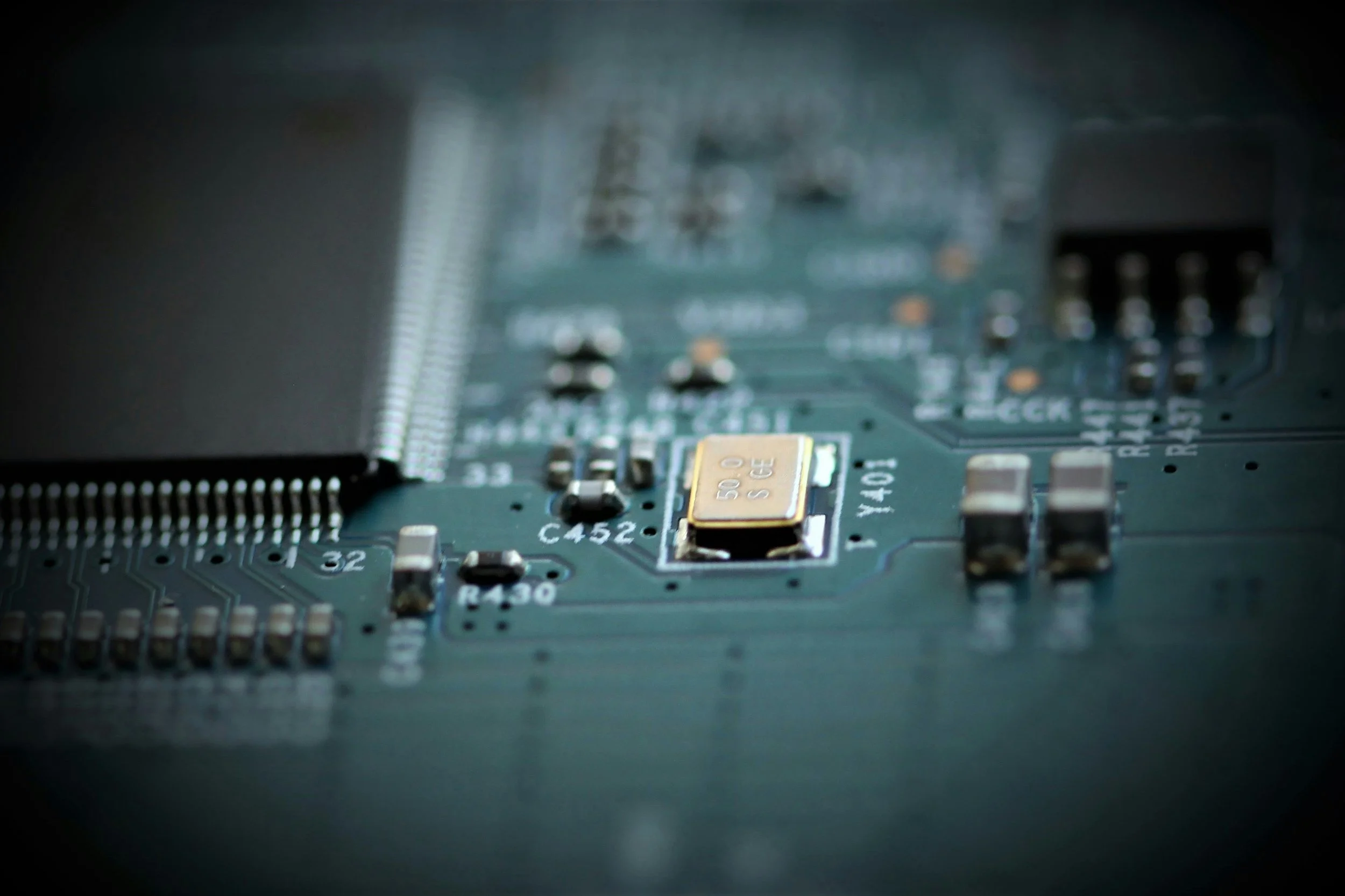
At First Choice Assembly, we specialize in PCB assembly, including surface mount technology services. With our state-of-the-art SMT equipment and skilled team, we offer high-quality PCB manufacturing and assembly solutions tailored to your needs. Whether you’re looking for PCB prototyping or mass production, our SMT expertise ensures precision and efficiency in every project.
Get in touch with us today for a free consultation or to request a quote for your PCB assembly board project. We’ll help you design and manufacture high-quality surface mount circuit boards that meet your specific requirements.
