
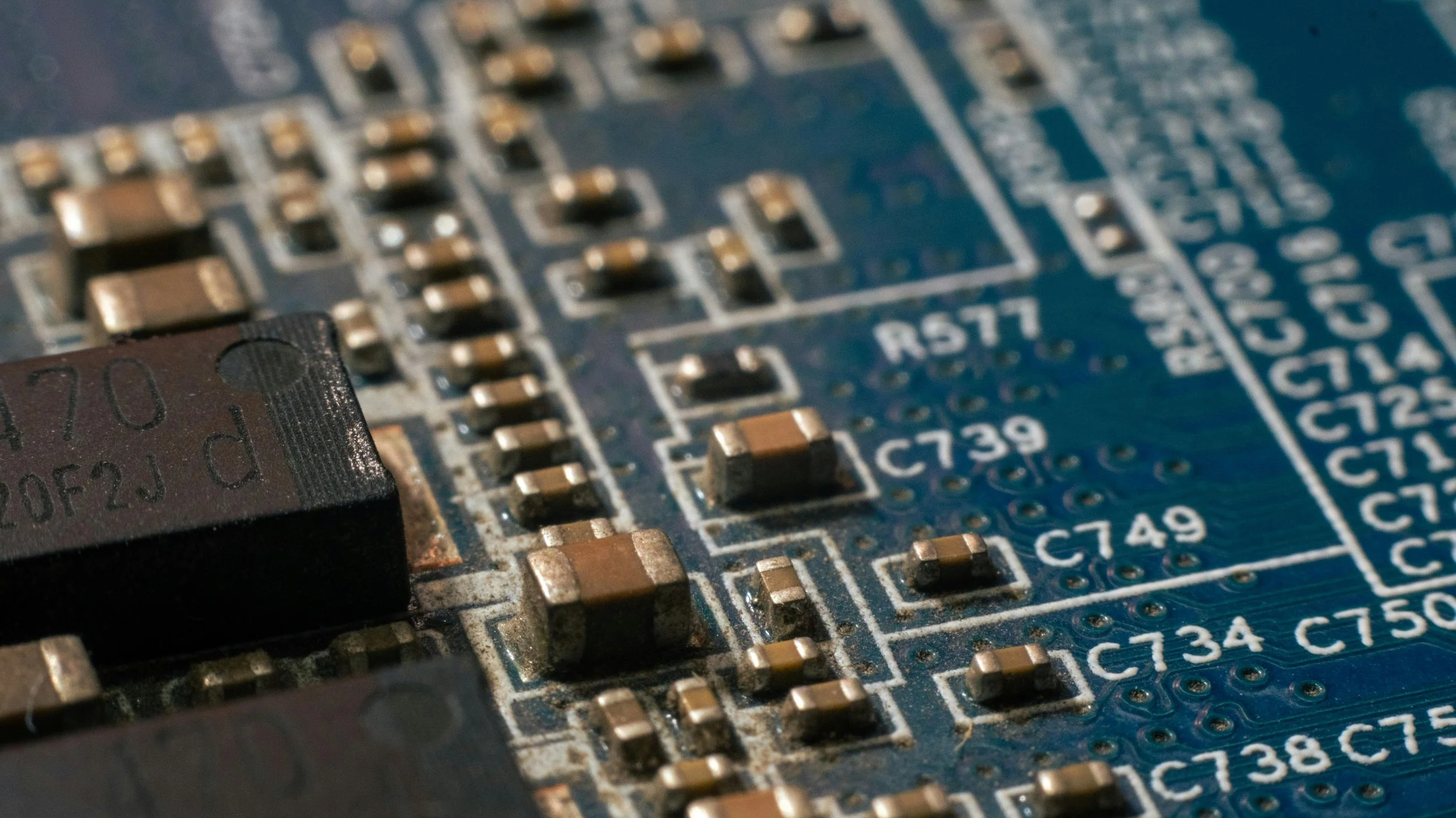
Surface Mount Technology (SMT) has become the standard in PCB assembly for its speed, cost-effectiveness, and high precision. However, despite its many benefits, SMT assembly can present certain challenges that can compromise the quality and reliability of surface mount PCB components. Issues like misalignment, tombstoning, component lifting, and other defects can arise during the PCB manufacturing process. In this blog post, we’ll discuss some of the most common printed circuit board (PCB) problems that occur in SMT and provide practical tips on how to prevent them.
Misalignment in SMT Assembly
Misalignment occurs when the surface mount technology components are not correctly aligned with the PCB pads during the placement process. This can lead to improper soldering, poor electrical connections, or even component failure.
Common Causes:
Incorrect pick-and-place machine calibration.
Inconsistent solder paste application.
How to Prevent Misalignment:
Regular machine calibration: Ensure that your SMT equipment, especially pick-and-place machines, are properly calibrated and maintained. Regular checks will help ensure accurate placement of surface mount components.
Use automated optical inspection (AOI): AOI systems can detect misaligned components early in the production process, allowing quick corrections before defects propagate.
Check solder paste consistency: Inconsistent solder paste can lead to misalignment during component placement. Regularly monitor the paste application process for uniformity.
Tombstoning in PCB Assembly
Tombstoning is a common issue in SMT assembly, where one end of a surface mount component lifts off the board during the reflow soldering process, causing the component to appear like a "tombstone."
Common Causes:
Uneven solder paste application.
Component leads not evenly heated during reflow.
Solder paste that is too viscous or not properly spread.
How to Prevent Tombstoning:
Check solder paste volume: Ensure that the solder paste is applied evenly and in the correct amount. Excess paste can cause components to move during the reflow process.
Reflow profile adjustment: Adjust the reflow oven settings to ensure that all components are heated evenly. A slower heating ramp-up and a balanced temperature profile can prevent one side of the component from heating too quickly, which causes tombstoning.
Use components with symmetric leads: If possible, choose surface mount PCB components with symmetric leads, as these are less likely to tombstone.
Component Lifting
Component lifting occurs when one side of a component is lifted from the PCB while the other side remains in contact with the solder pads. This can cause an unreliable electrical connection and may lead to the component becoming dislodged over time.
Common Causes:
Overheating during the reflow process.
Improper component placement.
Insufficient solder paste.
How to Prevent Component Lifting:
Proper paste application: Ensure that the solder paste is applied in a consistent and adequate amount. Too little paste may result in insufficient bonding between the component and the board, leading to lifting.
Use appropriate soldering temperature: Overheating components during the reflow process can cause excessive stress on the component and cause it to lift. Make sure the reflow profile is suitable for the components being used.
Use correct component placement: Ensure that components are correctly placed with even pressure to avoid lifting. Pick-and-place machines should be regularly calibrated to ensure accurate placement.
Solder Bridges
Solder bridges are another common issue in SMT assembly, where excess solder forms a bridge between two adjacent pads, causing a short circuit.
Common Causes:
Too much solder paste applied.
Misalignment of components during placement.
Contaminated pads leading to poor soldering.
How to Prevent Solder Bridges:
Accurate solder paste printing: Ensure the solder paste printing process is accurate, with the right amount of paste applied to each pad.
Use of appropriate reflow profile: An improper reflow profile can cause excess solder to pool between pads, leading to bridges. Fine-tune the reflow settings to avoid this.
Use paste dispensers for fine control: For precise applications, consider using paste dispensers that allow for more control over the amount of paste applied.
Delamination
Delamination occurs when the layers of the printed circuit board (PCB) begin to separate due to heat or stress, which can cause failure in the electronic circuit board components.
Common Causes:
Excessive temperature during reflow soldering.
Poor quality PCB substrates.
Improper storage or handling.
How to Prevent Delamination:
Proper thermal management: Control the reflow temperature and ensure that the PCB is heated evenly. High temperatures or rapid temperature changes can lead to delamination.
Choose high-quality PCBs: Ensure the PCB board fabrication is done using high-quality materials that can withstand the stresses of soldering and handling.
Cold Solder Joints
Cold solder joints occur when the solder does not fully melt during the reflow process, resulting in weak or incomplete solder joints that can lead to component failure.
Common Causes:
Inadequate heating during the reflow process.
Poor solder paste quality.
Contaminated pads.
How to Prevent Cold Solder Joints:
Adjust reflow settings: Ensure the reflow oven is operating at the correct temperature, and that the solder paste is fully melted to create a reliable bond.
Inspect solder paste consistency: Make sure the solder paste is of high quality and free from contamination, as poor-quality paste can cause cold joints.
Use proper PCB cleaning: Ensure that the PCB assembly board is cleaned of any residues or contaminants that could affect the soldering process.
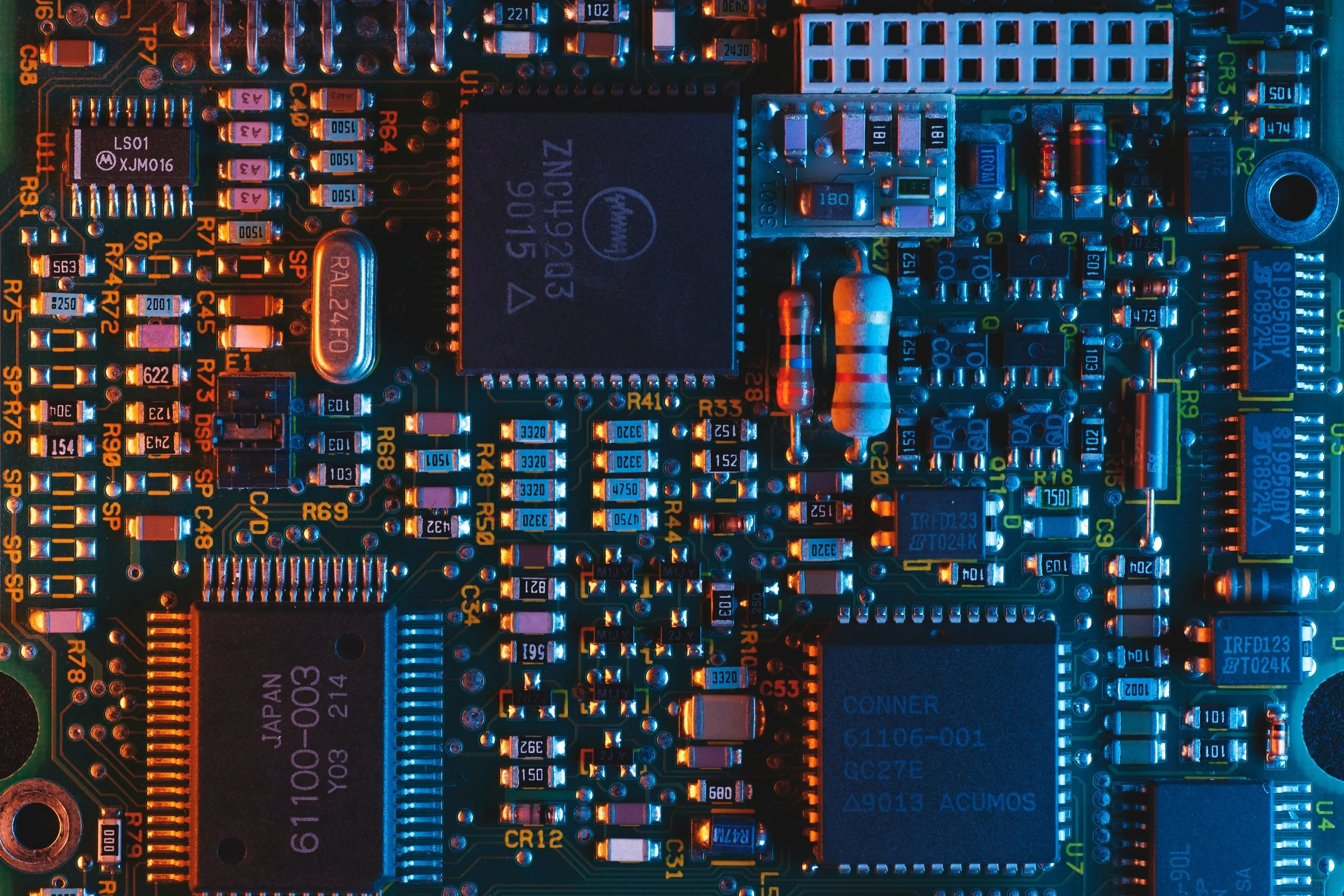
While Surface Mount Technology (SMT) has brought numerous benefits to the world of PCB assembly, challenges such as misalignment, tombstoning, and component lifting can still cause issues if not carefully managed. By following the tips outlined above, you can reduce the likelihood of these common PCB manufacturing problems and ensure that your surface mount circuit boards are assembled to the highest standards of quality and reliability.
If you're facing issues with surface mount PCB components or need assistance in preventing common SMT defects, First Choice Assembly is here to help. With extensive experience in electronic circuit board components and PCB prototyping, we provide expert solutions to optimise your SMT assembly process for efficiency and quality.
