
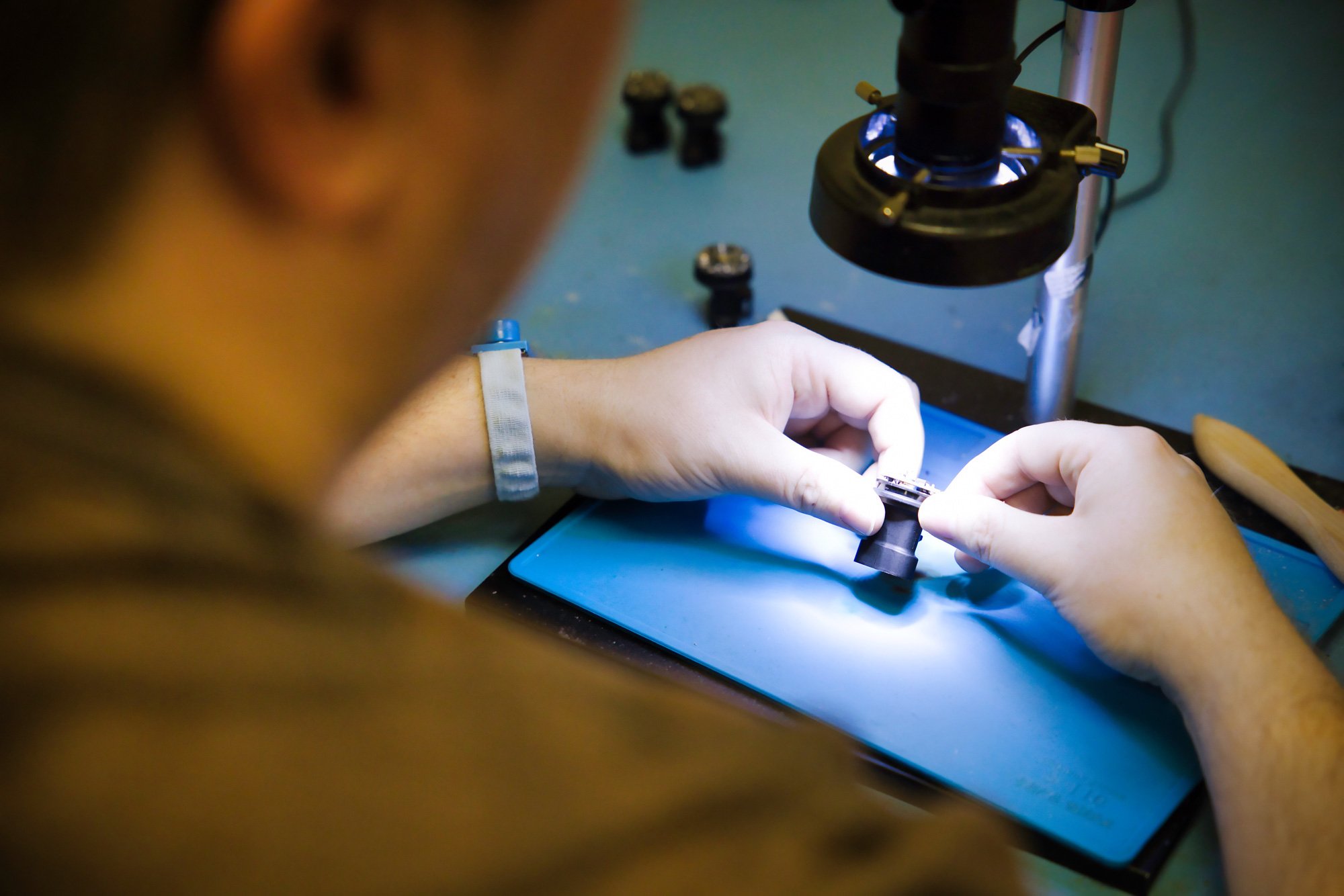
Surface Mount Technology (SMT) has been at the heart of electronics manufacturing for decades, but it continues to evolve as new technologies and customer demands shape the industry. From smaller components and smarter manufacturing equipment to improved soldering techniques and support for 5G devices, modern SMT assembly is becoming more precise, efficient and capable than ever before.
For businesses developing electronic products, understanding these advancements can help improve product performance, manufacturing efficiency and long-term reliability.
The Evolution of SMT Assembly
As electronic devices become smaller, faster and more powerful, PCB assembly processes must keep pace. Manufacturers are expected to produce increasingly complex circuit boards while maintaining high levels of quality and consistency.
Today's SMT technology combines advanced automation, precision inspection systems and improved manufacturing processes to meet these growing demands across industries such as automotive, telecommunications, medical devices, industrial electronics and consumer products.
Smaller Components, Greater Precision
One of the biggest developments in SMT assembly is the continued move towards smaller electronic components.
Miniaturisation allows manufacturers to design more compact products without compromising functionality. From wearable technology to industrial control systems, modern PCBs can now accommodate more components within a smaller footprint.
Working with smaller components requires exceptional accuracy throughout the assembly process. High-speed pick-and-place machines, precise solder paste printing and carefully controlled reflow profiles all contribute to producing reliable assemblies.
For PCB manufacturers, investing in precision equipment helps maintain quality while supporting increasingly complex designs.
Improved Soldering Technology
Advances in soldering processes have also improved the quality and consistency of SMT assembly.
Modern reflow ovens provide greater control over heating profiles, helping create stronger, more reliable solder joints while reducing the risk of common defects such as tombstoning, solder bridging and insufficient solder.
Improved solder paste formulations and more accurate stencil printing also contribute to consistent results across production runs, reducing waste and minimising rework.
These improvements help manufacturers achieve higher yields and deliver reliable PCB assemblies for demanding applications.
Advanced Inspection and Quality Control
Inspection technology has become increasingly sophisticated, allowing manufacturers to identify potential issues earlier in the production process.
Automated Optical Inspection (AOI) systems can quickly detect placement errors, missing components and solder defects, while other inspection methods provide additional quality assurance where required.
By identifying issues before products leave the production line, manufacturers can reduce costly rework, improve consistency and maintain high quality standards.
Quality control remains an essential part of successful PCB assembly, regardless of production volume.
SMT Assembly for 5G and High-Performance Electronics
The rollout of 5G technology is driving demand for faster, more powerful electronic devices with increasingly complex PCB designs.
These products often require:
Higher component densities
Greater signal integrity
Improved thermal management
Highly reliable solder joints
Precise manufacturing tolerances
Modern SMT assembly processes are designed to meet these challenges, enabling manufacturers to produce circuit boards that support high-speed communication and demanding electronic applications.
As technology continues to evolve, PCB assembly processes will need to deliver even greater levels of precision and consistency.
Increased Automation in PCB Assembly
Automation continues to transform electronics manufacturing.
Modern SMT production lines integrate automated printing, component placement, reflow soldering and inspection into streamlined manufacturing processes. This improves efficiency while reducing the potential for human error.
The result is faster production, greater repeatability and consistent quality across both prototype and full production runs.
While automation has advanced considerably, experienced engineers remain essential for process optimisation, quality assurance and solving complex manufacturing challenges.
What These Advancements Mean for Customers
Keeping up with developments in SMT technology allows manufacturers to deliver better results for their customers.
Modern assembly processes offer several advantages, including:
Improved PCB reliability
Greater manufacturing accuracy
Faster production times
Better consistency across production runs
Support for increasingly complex PCB designs
Reduced defects and rework
Whether producing prototypes or large production batches, these advancements help manufacturers deliver high-quality assemblies that meet today's performance expectations.
Partner with an Experienced SMT Assembly Manufacturer
Technology may continue to evolve, but successful PCB assembly still depends on expertise, process control and a commitment to quality.
At First Choice Assembly, we combine over 30 years of experience with modern SMT equipment and rigorous quality control to deliver reliable PCB assembly services for customers across a wide range of industries.
From PCB prototyping and SMT assembly to through-hole assembly, box build and complete electronics manufacturing, we help businesses bring their products to market with confidence.
Looking for Professional PCB Assembly Services?
As SMT technology continues to advance, choosing the right manufacturing partner is more important than ever.
If you're looking for a trusted UK company specialising in SMT assembly, PCB prototyping or complete PCB assembly services, contact First Choice Assembly to discuss your project and discover how our experienced team can support your next electronic product.

