
The Advantages of SMT Assembly: Why Choose Surface Mount Technology for Your PCB?
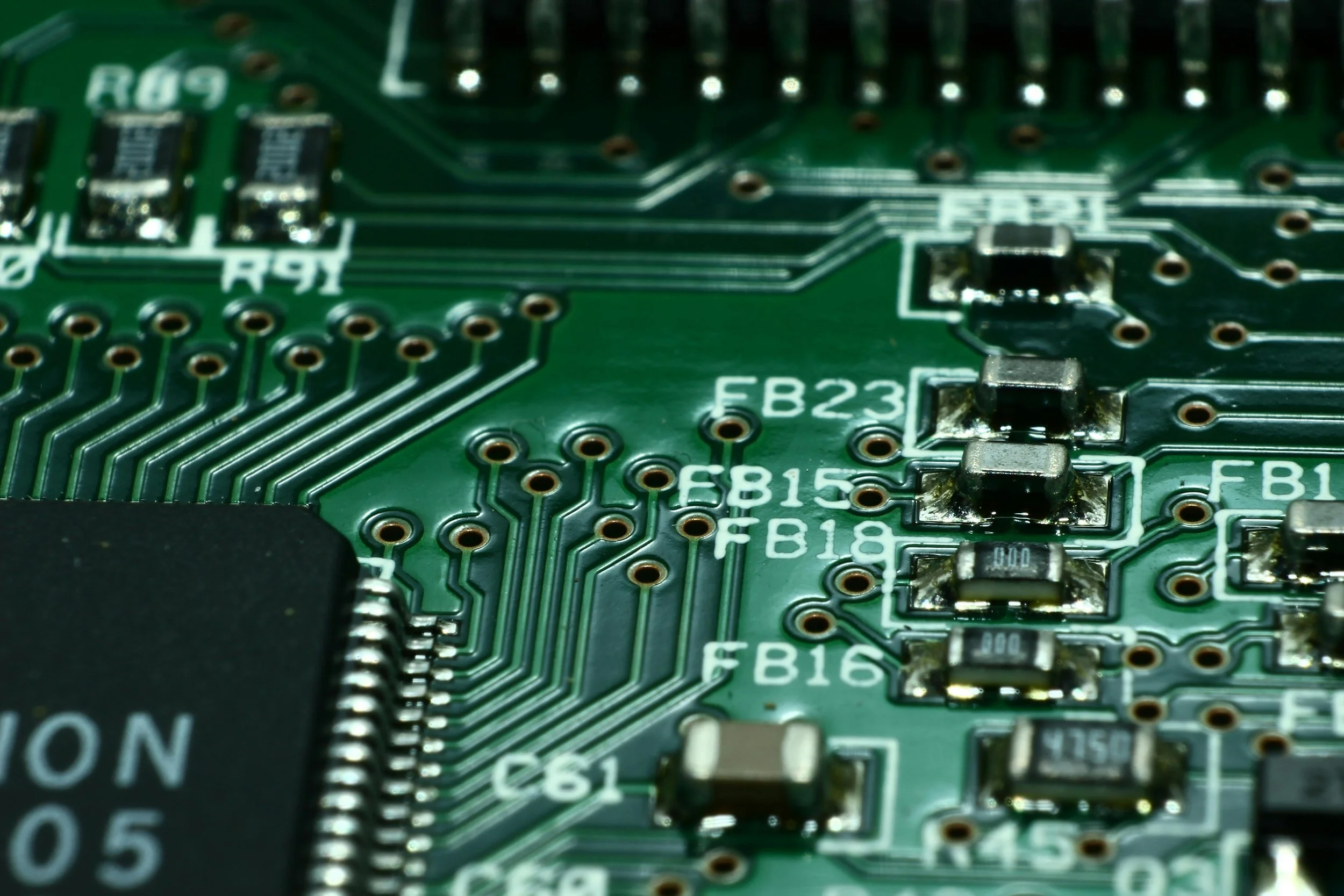
As electronic products continue to become smaller, faster, and more advanced, manufacturers need PCB assembly methods capable of delivering high performance, precision, and efficiency. Surface Mount Technology (SMT) has become the preferred manufacturing method across the electronics industry because it supports compact designs, rapid production, and highly reliable assembly.
From automotive systems and LED lighting to medical devices and consumer electronics, SMT PCB assembly is now widely used to manufacture modern electronic products at scale. In this blog, we’ll explore the key advantages of SMT assembly and explain why so many manufacturers choose Surface Mount Technology for their PCB production requirements.
What is Surface Mount Technology?
Surface Mount Technology is a method of PCB assembly where electronic components are mounted directly onto the surface of a printed circuit board rather than inserted through drilled holes. These SMT electronic components are positioned automatically using advanced placement equipment before being permanently soldered into place during the reflow process.
The SMT surface mount technology process has largely replaced traditional through-hole assembly for many applications because it allows for:
Smaller PCB designs
Faster production
Greater component density
Improved automation
Lower manufacturing costs
Enhanced electrical performance
Modern electronics rely heavily on SMT because it enables manufacturers to create compact and highly functional products efficiently and consistently.
Faster Production Speeds
One of the biggest advantages of SMT PCB assembly is production speed. The surface mount technology process is highly automated, allowing manufacturers to produce large quantities of PCB assemblies quickly and accurately.
A modern surface mount technology machine can place thousands of components per hour with exceptional precision. Automated pick-and-place systems significantly reduce manual labour while increasing consistency throughout production.
This high-speed production capability is particularly important for industries requiring large manufacturing volumes, including:
Consumer electronics
Automotive electronics
Industrial automation
Telecommunications
LED lighting systems
Medical technology
Faster production not only improves efficiency but also helps businesses reduce lead times and bring products to market more quickly.
Supports High-Density PCB Designs
Modern electronic devices require increasingly compact circuit boards capable of supporting complex functionality within limited space. SMT assembly allows manufacturers to position SMT electronic components much closer together than traditional through-hole methods.
This increased component density provides several important advantages:
Smaller and lighter products
More advanced functionality
Improved signal performance
Reduced board size
Greater design flexibility
Because components can be mounted on both sides of the PCB, manufacturers can maximise available board space while maintaining excellent electrical performance.
This is one of the main reasons why smartphones, wearable devices, LED systems, and advanced industrial electronics rely heavily on SMT technology.
Reduced PCB Board Space
Traditional through-hole assembly requires drilled holes throughout the PCB, limiting available space and restricting design flexibility. SMT assembly eliminates the need for most drilled holes, freeing up additional board space for components and circuitry.
This reduction in required board space helps manufacturers:
Create more compact electronic products
Reduce material usage
Lower production costs
Improve product portability
Support modern miniaturised designs
Smaller PCBs also reduce shipping and storage costs while allowing manufacturers to develop sleeker and more efficient products.
Improved Manufacturing Consistency
Automation is a major advantage of the SMT surface mount technology process. Automated equipment reduces the risk of human error while improving overall manufacturing consistency.
Modern surface mount technology SMT equipment uses highly accurate placement systems combined with controlled reflow soldering processes to ensure reliable results across every production run.
Benefits of automated SMT production include:
Greater placement accuracy
Consistent solder quality
Reduced defect rates
Improved reliability
Lower rework requirements
Better long-term performance
For high-volume PCB manufacturing, this level of consistency is essential for maintaining quality standards and reducing production costs.
More Efficient Surface Mount Technology Soldering
Surface mount technology soldering uses solder paste and controlled reflow ovens to create reliable electrical and mechanical connections between components and the PCB.
Compared to manual soldering methods, automated SMT soldering offers:
Faster assembly speeds
More consistent solder joints
Improved electrical reliability
Reduced overheating risks
Better repeatability
The controlled heating profile used during reflow soldering ensures that components are bonded securely while minimising defects such as cold joints, bridging, or tombstoning.
This makes SMT ideal for both complex electronic assemblies and high-volume manufacturing environments.
Ideal for LED PCB Assembly
SMT technology is particularly effective for LED manufacturing applications. Modern LED systems often require compact layouts, high reliability, and efficient thermal performance.
Solder surface mount LED assemblies allow manufacturers to position LEDs accurately while maintaining strong thermal and electrical connections. SMT also supports automated LED production, making it suitable for both prototype and large-scale manufacturing.
This is commonly used within:
LED lighting systems
Signage
Automotive lighting
Emergency lighting
Industrial displays
Through Hole and Surface Mount Technology Can Work Together
Although SMT dominates modern PCB manufacturing, there are situations where through hole and surface mount technology are combined within the same assembly.
Certain larger or mechanically stressed components may still require through-hole mounting, while the majority of smaller components are assembled using SMT techniques.
Hybrid PCB assembly allows manufacturers to benefit from:
The compactness of SMT
The strength of through-hole components
Greater design flexibility
Improved durability for specific applications
This combination is widely used in industrial, automotive, and power electronics applications.
Why Choose First Choice Assembly for SMT PCB Assembly?
At First Choice Assembly, we provide professional SMT PCB assembly services for businesses across the UK and Ireland. With more than 30 years of electronics manufacturing experience, we deliver reliable, cost-effective PCB assembly solutions tailored to your production requirements.
Our advanced surface mount technology SMT equipment allows us to support:
SMT prototype boards
High-volume PCB assembly
Complex multi-layer PCBs
LED PCB production
Full turnkey manufacturing
Component sourcing
Our experienced team ensures every stage of the surface mount technology process is completed with precision, quality, and efficiency.
Contact First Choice Assembly
Whether you require SMT PCB assembly for prototypes, ongoing production, or complex electronic designs, First Choice Assembly is here to help.
Contact our team today to discuss your project and discover how our Surface Mount Technology expertise can support your PCB manufacturing requirements.

