As demand for smaller, faster, and more advanced electronics continues to grow, manufacturers need assembly methods capable of delivering consistent quality at scale. Surface Mount Technology (SMT) has become the industry standard for modern PCB manufacturing because it offers the speed, precision, and efficiency required for high-volume PCB assembly.
From consumer electronics and automotive systems to LED lighting and industrial equipment, SMT assembly allows manufacturers to produce complex circuit boards quickly and reliably while maintaining tight quality standards. In this blog, we’ll explain why the surface mount technology process is perfectly suited to large-scale PCB production and how it helps businesses reduce costs, improve efficiency, and support modern electronic designs.
What is Surface Mount Technology?
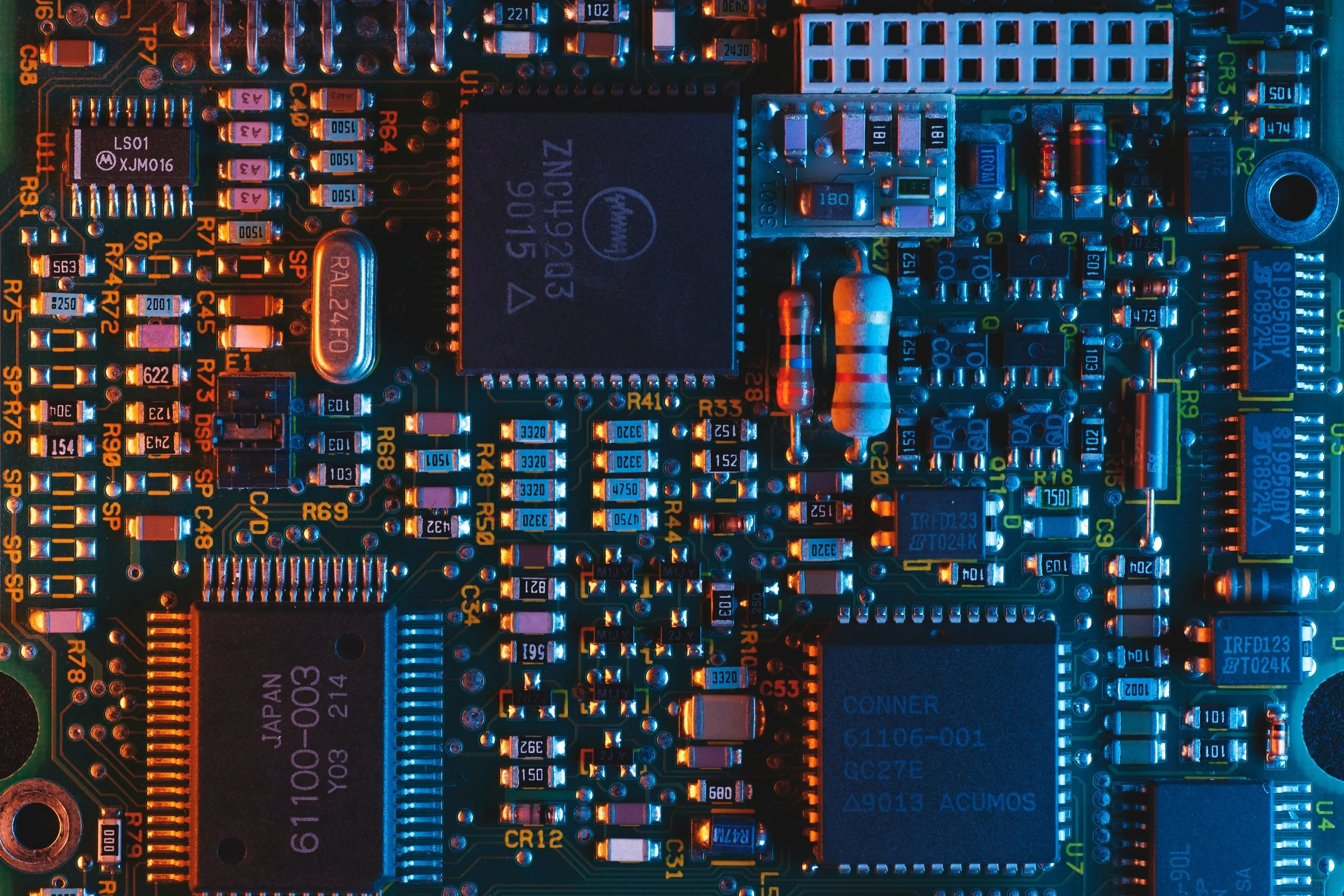
Surface Mount Technology is a PCB assembly method where electronic components are mounted directly onto the surface of a printed circuit board rather than inserted through drilled holes. These surface mount PCB components are placed automatically using highly accurate SMT machines before being soldered into position through a controlled reflow process.
Compared to traditional through-hole assembly, SMT enables:
Faster production speeds
Higher component density
Smaller PCB designs
Greater automation
Lower manufacturing costs
Improved consistency across production runs
This modern manufacturing approach is now widely used across almost every electronics sector due to its scalability and precision.
The Surface Mount Technology Process
The surface mount technology process is designed for efficiency and repeatability, making it ideal for both SMT prototype board development and full production manufacturing.
A standard SMT assembly process typically includes:
1. Solder Paste Printing
Solder paste is applied to the PCB using a precision stencil printer. Accurate solder paste application is essential for maintaining reliable electrical connections throughout the assembly.
2. Automated Component Placement
An SMT machine uses high-speed pick-and-place technology to position thousands of SMT components onto the PCB with exceptional accuracy. Modern systems can place components at extremely high speeds while maintaining tight tolerances.
3. Reflow Soldering
Once components are positioned, the PCB passes through a reflow oven where the solder paste melts and permanently bonds the components to the board.
4. Inspection and Quality Control
Automated Optical Inspection (AOI) systems inspect the board for placement accuracy, solder defects, and alignment issues before final testing is completed.
Because the process is highly automated, SMT assembly delivers reliable repeatability across large production runs.
Why SMT is Perfect for High-Volume PCB Assembly
Faster Production Speeds
One of the biggest advantages of SMT services is production speed. Automated SMT machines can place tens of thousands of components per hour, significantly increasing manufacturing efficiency compared to manual or through-hole assembly methods.
For businesses requiring large production volumes, this automation helps reduce lead times and improve turnaround speeds without sacrificing quality.
High-speed SMT assembly is particularly beneficial for industries producing:
Consumer electronics
Automotive electronics
LED lighting systems
Industrial control systems
Medical electronics
Telecommunications equipment
The faster production process also allows manufacturers to respond more quickly to market demand and scaling requirements.
Reduced Manufacturing Costs
Automation plays a major role in reducing the overall cost of high-volume PCB assembly. Because SMT assembly relies heavily on automated equipment, labour costs are significantly lower than traditional assembly methods.
Additional cost-saving benefits include:
Reduced material waste
Smaller PCB sizes
Lower shipping costs due to compact designs
Faster production cycles
Improved manufacturing consistency
Reduced rework and defect rates
For high-volume production, these savings can have a significant impact on overall manufacturing costs.
Supports Smaller and More Complex PCB Designs
Modern electronic products continue to become smaller, more powerful, and increasingly complex. SMT technology supports this demand by allowing manufacturers to place tiny SMT components closely together on both sides of the PCB.
This increased component density enables:
More compact products
Greater functionality
Improved electrical performance
Lighter devices
Reduced signal interference
Without surface mount technology assembly, many of today’s modern electronic devices simply would not be possible.
Improved Production Consistency
Consistency is critical during high-volume manufacturing. Even small variations between boards can lead to failures, increased warranty claims, and costly product recalls.
Because SMT PCB assembly supplier processes are highly automated, manufacturers can achieve exceptional repeatability across thousands of units. Automated placement and soldering systems reduce the risk of human error and ensure every PCB meets the same quality standards.
Advanced inspection systems also help identify defects early in the production process, reducing waste and improving overall reliability.
SMT Prototype Boards Easily Scale into Production
Another major advantage of SMT manufacturing is scalability. Businesses can begin with an SMT prototype board to test and validate their design before seamlessly moving into full-scale production.
This allows manufacturers to:
Validate designs early
Identify potential production issues
Optimise layouts for manufacturing
Reduce development risks
Speed up product launches
Once testing is complete, the same surface mount technology process can be scaled efficiently for large production volumes.
Choosing the Right SMT PCB Assembly Supplier
Selecting the right SMT PCB assembly supplier is essential for achieving reliable high-volume production. An experienced manufacturing partner should offer:
Advanced SMT machines and production equipment
Automated inspection systems
High-quality SMT services
Flexible production capabilities
Prototype and full production support
Strong quality control procedures
Component sourcing assistance
Industry-standard certifications
Working with an experienced supplier ensures that your PCB assemblies are manufactured efficiently, consistently, and to the highest possible standards.
Why Choose First Choice Assembly?
At First Choice Assembly, we provide high-quality SMT assembly solutions for businesses across the UK and Ireland. With more than 30 years of electronics manufacturing experience, we support everything from SMT prototype board development through to high-volume PCB assembly production.
Our advanced SMT machines, automated inspection systems, and experienced team allow us to deliver reliable, cost-effective PCB assembly solutions across multiple industries.
Whether you require complex SMT components, full turnkey manufacturing, or scalable PCB production support, our team is here to help.
Contact First Choice Assembly today to discuss your SMT assembly requirements and discover how our high-volume PCB manufacturing solutions can support your next project.